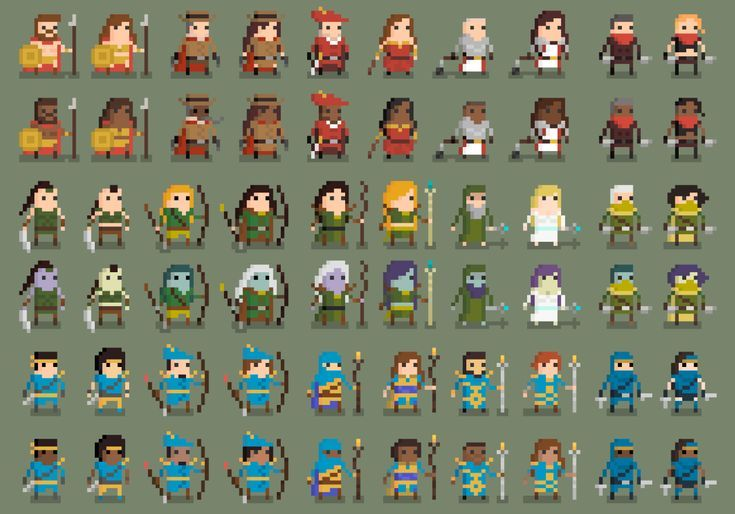
Character Creation & Party Building
The choices you make — your skills, flaws, goals, and bonds — shape the story we tell together. Build a team you want to see grow, clash, and survive side by side.
Species, classes and subclasses:
- Source from 5e 2024 or 5e 2014
Homebrew and Unearthed Arcana: We’ll mostly stick to official 5e books so everyone’s on the same page; but if you insist on custom content, the classes and feats can be worked out – let’s talk! I’m open to looking it over, as long as it’s made for 5e and fits the vibe of the campaign.
Follow the leveling system of the source your class comes from. For example, you can’t take a 5e (2014) class and level it using 5e (2024) rules, even if the class names are the same. Applies to feats as well.
Party Building
You’re free to create whoever you want — just remember, this story is built as a team. Think about how your characters fit (or clash) together in and out of combat.
A balanced party helps, but it’s not required. Cover your bases if you can, or embrace the chaos and see how your crew survives together.

Your Character
Your characters are more than their stats — they’re people with histories, habits, and hopes. Take a bit of time to figure out who they were before the story begins, and what drives them forward now.`
Bring Me To Life (Wake Me Up)
Once you’ve got the basics and mechanics down, the fun part is figuring out how your character actually shows up in the world. Are they bold or cautious? Do they crack jokes under stress or go quiet when things get tense? Maybe they’re nosy, stoic, dramatic, stubborn, or unexpectedly tender. These little choices bring your character to life far more than any stat block ever will.
And don’t worry — you’re not expected to launch into full-on Gawad Urian mode. If you’re reading this document, then we’re still early in the process, which means we’re not aiming for huge dramatic performances or unleashing your inner theatre kid on day one. I, as your DM, do a lot of light assisting — prompts, gentle nudges, in-world questions — to help you ease into roleplay at a pace that feels comfortable.
The goal isn’t “perfect acting.” It’s simply letting your character feel real enough that our game world feels a bit more alive. You bring the personality in whatever way feels natural; I’ll help you settle into it along the way.
Relationships
Talk as a group about how much your characters already know each other. In this campaign, your characters are in the same setting—but there are levels to that. Were you friends, rivals, or strangers who crossed paths once or twice? Shared history — even small moments ****— helps your group feel connected from the start.
Bonds and rivalries make the group dynamic more real — and give everyone something to play off when the story begins.
Describe your relationship with the other PCs.
If you have met them and you know each other, describe a recent interaction you had with them. It doesn't have to be grand interaction; it could be as simple as being introduced to each other at a gathering and doing small talk and not much else, or you may have bought something from them.
Reminder to check in with your fellow PC and get this greenlit before laying it as canon.
Remember, this is collaborative storytelling. If your backstory or ideas involve another player’s character, talk about it first — either with them or with the DM — before revealing it in play. Surprises are great, but we want them to add to the story, not disrupt it.
Everyone loves a good plot twist — the DM is here to help you make it land just right.
Backstories
Your character doesn’t need a full novel — just a few key anchors that help you understand what makes them tick. Some questions you can ask yourself:
- What’s a little habit or quirk they’ve had since childhood?
- Who’s someone they miss, owe, or can’t stop thinking about?
What’s something they believe in deeply — even if it makes life harder?
Your answers don’t need to be long — just honest. These small details make the world feel alive and help your choices in play feel grounded.
No worries! You don’t need a ten-page tragic backstory. A few vivid details — a hometown, a dream, a regret — are more than enough to make your character feel real. Think broad strokes, not biography. Leave some blanks for the story to fill in later — that’s where the fun discoveries happen.
However, the one question you should be able to answer before we begin is: “Why are you here on this adventure?”